Fotona Laser Treatments for Men: Growing Trends and Benefits
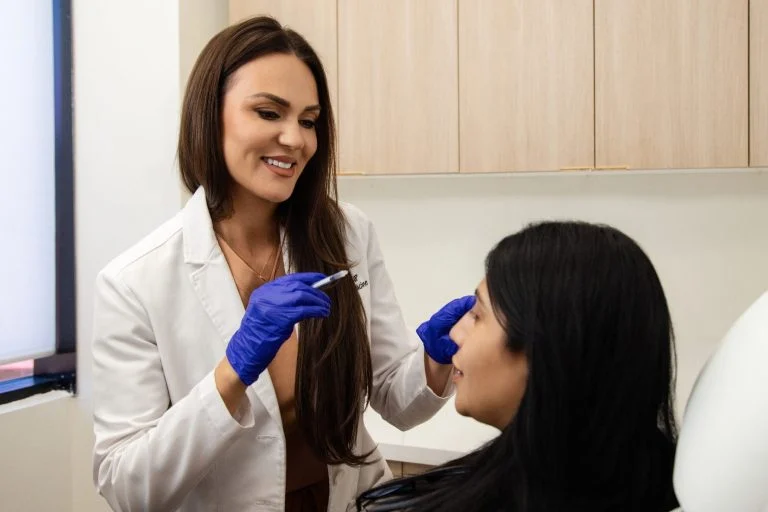
Men are showing up to aesthetic and functional laser clinics with a very different mindset than they did even five or ten years ago. The old model was reactive and private. A man might book a treatment only after a deep acne scar, a stubborn red vessel on the nose, or years of sun damage started to bother him enough to act. What I see now is more deliberate. Men are asking smarter questions, coming in earlier, and looking for treatments that fit into real schedules, not fantasy recovery timelines.
That shift helps explain the rising interest in Fotona Laser Treatments. Fotona is not one single procedure. It is a laser platform used for a range of concerns, from skin resurfacing and pigment correction to tightening, scar revision, vascular lesions, snoring support, and some intimate or functional treatments depending on the clinic’s scope and the practitioner’s training. For men, the appeal is practical. The treatments can often be tailored for thicker skin, larger pores, oilier complexions, post-shave irritation, acne scarring, and signs of aging that tend to develop in a different pattern than they do in women.
The demand is also being driven by a social change that many clinics have noticed firsthand. Men no longer need a major life event to justify taking care of their appearance. They want to look less tired on video calls, cleaner around the jawline, or less weathered after years of outdoor work, frequent travel, or sports. They are often less interested in looking "done" and more interested in looking sharper, healthier, and still like themselves.
Why men are turning to lasers now
Men have always sought treatment, but many preferred options that sounded clinical rather than cosmetic. That distinction still matters. A procedure framed as improving texture, reducing scarring, tightening lax skin, or addressing broken capillaries often feels more straightforward and useful than one sold with beauty language. Fotona’s reputation benefits from that. It is usually discussed in terms of tissue response, collagen remodeling, precision, and recovery, which resonates with male patients who want a clear reason for every session.
There is also the matter of downtime. Many men will tolerate discomfort better than they will tolerate visible healing that disrupts work, training, shaving, or family life. That is one reason Fotona systems have gained attention. Depending on the treatment settings and the indication, some sessions involve very little interruption, while others go deeper and require a few days to a week or more of visible recovery. The range matters. It allows an experienced clinician to match the treatment to the patient instead of forcing every problem into the same protocol.
A finance executive with mild lower-face laxity has different priorities than a 28-year-old with old ice-pick acne scars. A cyclist with sun damage and diffuse redness will not need the same approach as a man dealing with thick sebaceous skin on the nose and cheeks. One of the useful things about Fotona platforms is that the same broad technology family can often be adjusted to treat very different tissue goals, from superficial polishing to deeper remodeling.
What makes male skin a distinct treatment category
Treating male skin well requires more than lowering the room lights and handing over a consent form. Men usually have thicker dermis, stronger vascularity in some facial areas, larger pores, more active sebaceous glands, and facial hair that changes both treatment planning and aftercare. Frequent shaving also means the barrier can be chronically irritated, especially around the neck and jaw.
Those differences matter with laser energy. Men often need settings and spacing that account for heavier tissue density, oil production, and the fact that many are less patient with extended aftercare. A treatment that looks elegant on paper can fail in practice if the patient shaves too soon, sweats heavily the next morning, or resumes a retinoid because no one explained when to stop.
There is also a pattern issue. Men commonly age in a way that emphasizes heaviness, roughness, redness, and textural decline rather than fine etched lines alone. The forehead may remain relatively strong while the under-eye area starts looking tired. The cheeks can show enlarged pores and old acne scars. The jawline may lose crispness. Around the nose, capillaries can become prominent, especially in men who spend years in the sun, work outdoors, or flush easily with exercise or alcohol. Fotona Laser Treatments are often selected because they can address multiple layers of that picture rather than one isolated complaint.
The problems men most commonly want to treat
In clinic conversations, men usually start with one visible issue but reveal a cluster of concerns once trust is established. Acne scars remain one of the most common drivers, especially in men in their late twenties through forties who have put off treatment for years. The scars may be broad and rolling, sharply pitted, or mixed with redness and enlarged pores. Fractional resurfacing protocols within the Fotona family are often considered here because they can stimulate remodeling over a course of treatments rather than relying on one aggressive pass.
Texture and pores are another major category. Many men do not use multiple home skincare products and prefer a procedural route that creates visible improvement without a lengthy routine. Laser resurfacing and tightening can help smooth roughness and refine overall skin quality, particularly if the patient also improves sunscreen use and stops over-exfoliating.
Pigment and sun damage show up frequently in men over 35. Brown spots on the temples, uneven tone on the forehead, and a generally weathered look are common. The challenge is that men may continue to golf, run, coach, or commute in the sun, which means maintenance matters as much as the initial correction.
Then there are concerns men rarely mention at first appointment but ask about before they leave. Snoring is one. Mild skin laxity under the chin is another. Periorbital creping or hooded heaviness can also come up, especially among men who do not want surgery but want to look less fatigued. In the right candidate, certain Fotona protocols are used to stimulate tightening or support tissue remodeling in ways that can produce subtle, believable changes.
Where Fotona fits in a modern men’s treatment plan
One misconception is that lasers are best used as a single dramatic intervention. In reality, the best outcomes for men often come from sequencing. A clinician might start with vascular or pigment correction to reduce background redness and visible sun damage, then move into resurfacing for scars and texture, then use maintenance sessions a few times a year. Another patient might begin with tightening-focused treatments and later choose a more targeted resurfacing pass once he is comfortable with the process.
That flexibility is useful because most male patients have a threshold. They will happily commit to two or three sessions if they understand why, but they do not want vague promises or open-ended plans. Fotona Laser Treatments can be presented in a very practical way: here is the issue, here is the tissue target, here is the likely downtime, and here is the realistic range of improvement. That clarity goes a long way.
A sensible plan often depends on four factors:
- the main concern, such as scars, redness, laxity, pigment, or snoring support
- skin type and recent tanning status
- tolerance for downtime, especially around work, shaving, and exercise
- willingness to maintain results with sun protection and occasional follow-up sessions
That list may sound obvious, but it is where many disappointing outcomes begin. Men often underestimate how much tanning history, gym habits, or shaving friction can affect healing. A treatment may be technically excellent yet still underperform if aftercare is ignored.
Benefits that matter specifically to men
The biggest benefit is not that these treatments are sophisticated. It is that they can be customized without making the result obvious. Men tend to value changes that register as healthier or more rested rather than cosmetically altered. Good laser work on a male face should preserve character. The goal is not to erase every line or flatten every contour. It is to improve the canvas.
For acne scars, the payoff can be significant. Even moderate softening of pitted scars changes how light hits the face. That can make skin appear clearer in ordinary daylight, on video, and after shaving. Scar improvement is usually gradual and cumulative, which actually suits many men. They like the idea that colleagues notice they look better but cannot identify one dramatic event.
For redness, capillaries, or diffuse flushing, the benefit is often underestimated until it happens. Men who have spent years looking wind-burned or persistently irritated can look calmer and more polished once the background vascularity is reduced. This is especially relevant for men with fair skin, outdoor exposure, or a history of rosacea-like redness.
For tightening and textural maintenance, the value is subtle but durable when done appropriately. Men often lose sharpness in the lower face before they notice classic wrinkles. If laser energy stimulates collagen and gives a mild lift or densifying effect, the improvement can read as fitter and more rested rather than treated. That distinction matters to patients who are wary of anything theatrical.
There is also a psychological benefit clinicians should not dismiss. Men who postpone aesthetic care for years often carry a strong fear of seeming vain. Once they have one professional, measured, well-managed treatment experience, that resistance tends to disappear. The focus becomes function and self-presentation, not stigma.
Treatments beyond the obvious cosmetic use
One reason Fotona has drawn interest from male patients is that the platform is used for more than skin polishing. Some practices offer laser support for snoring in selected cases, typically as a non-surgical approach aimed at tightening tissue in the relevant oral or pharyngeal area. Patients need proper assessment and realistic expectations. It is not a universal answer for sleep-disordered breathing, and anyone with significant symptoms should be evaluated appropriately, but the fact that laser treatment enters that conversation broadens its appeal for men who may first seek care for function rather than appearance.
There are also clinics that discuss intimate wellness or genitourinary applications, though this area varies widely by jurisdiction, training, and evidence quality. Patients should be especially careful here. The right question is not "Can this clinic do it?" But "What exactly is the indication, what outcomes are reasonably expected, and what does the clinician do when it is not the right fit?" A mature practice will not oversell gray-zone treatments.
The reality of results, pain, and downtime
This is the section men usually want in plain language. How much does it hurt, how long will I look rough, and when will I see a payoff?
The honest answer is that Fotona Laser Treatments range from light and easy to meaningfully intense, depending on the protocol. Some sessions feel hot, prickly, or rubber-band sharp and leave a few hours to a day or two of redness. Others, especially stronger resurfacing treatments, can produce swelling, bronzing, peeling, and several days of looking obviously treated. Clinics that imply otherwise are usually marketing too hard.
Results also vary by problem. Redness or superficial pigment may improve relatively quickly. Scars and tightening require patience because collagen remodeling unfolds over weeks and months. Men who expect a ten-year reversal after one lunchtime session are poor candidates, regardless of the machine used.
A practical recovery snapshot looks something like this:
- very light treatments may cause mild redness for several hours up to two days
- moderate resurfacing often brings three to five days of visible roughness or swelling
- deeper work can mean about a week of social downtime, sometimes longer depending on settings and skin response
- collagen-driven improvements may continue to develop for two to six months after treatment
- several sessions are commonly needed for scars, pores, and chronic redness
Those ranges are deliberately broad because a credible provider should individualize them. The same named treatment can look very different based on energy, passes, endpoint, and skin type.
Who gets the best outcomes
The best candidates are not necessarily the youngest or the most disciplined. They are the ones whose goals match what the treatment can actually deliver. A man with early textural aging, modest sun damage, and realistic expectations can be delighted by subtle improvements. A patient with severe acne scarring can also do very well, but only if he understands that scar revision is a process, not a one-off event.
Men with recurrent tanning, poor sunscreen use, active acne outbreaks, a tendency to pick, or no tolerance for temporary visible healing are harder to treat well. This does not mean they cannot be treated. It means the clinician must choose timing and settings carefully, and the patient must be honest about habits. It is surprising how often good results are compromised because someone resumed hard exercise, shaving, or sun exposure too soon.
Skin tone deserves special mention. Laser treatment on darker skin types can absolutely be appropriate, but it requires caution, the right wavelength and protocol, thoughtful pretreatment in some cases, and close follow-up to reduce the risk of post-inflammatory pigment change. Men with richly pigmented skin should not avoid consultation, but they should look for clinicians who treat diverse skin types routinely and https://ameblo.jp/alexiswkxc423/entry-12978258198.html can speak concretely about risk management.
Common mistakes men make before and after treatment
The first mistake is choosing a provider based solely on machine ownership. The platform matters, but the person behind it matters more. A skilled clinician knows how to read skin, not just follow a menu. He or she will ask about isotretinoin history, herpes simplex risk, tanning, supplements, shaving habits, exercise routines, and work constraints. That level of detail protects the result.
The second mistake is treating laser care like a one-day event. Men often invest in the procedure and ignore the surrounding week. Then they shave too aggressively, lift hard the next day, sit in the sun at a ball game, or use a harsh cleanser because it "feels cleaner." Skin does not reward bravado. It rewards consistency.
The third is expecting a device to compensate for neglect. If someone continues heavy sun exposure without protection, sleeps poorly, drinks hard every weekend, and never moisturizes irritated skin after shaving, laser improvements will be muted and shorter-lived. Treatments help, but they do not suspend biology.
Questions worth asking at the consultation
A good consultation is rarely flashy. It feels specific. The practitioner should be able to tell you why a given Fotona protocol suits your concern, what alternatives exist, how many sessions are likely, what the visible recovery looks like on day one, day three, and day seven, and what risks are most relevant for your skin.
Ask to see before-and-after photos of patients who resemble you, not just ideal cases. A man with thick, oily, scarred skin should not rely on photos of lightly sun-damaged skin with minimal baseline issues. Ask whether the treatment plan changes if you shave daily, work outdoors, train intensely, or have an event coming up. Specific answers are usually a sign of real experience.
It is also reasonable to ask what the clinic does when expectations are not met. Are adjustments made? Is treatment spacing changed? Are adjunctive options discussed? Good practices are comfortable with those questions because laser medicine is iterative. It improves with feedback and careful observation.
The broader cultural shift behind the trend
The growth in male laser treatment is not just about vanity, and it is not just about technology. It reflects a larger acceptance that appearance affects confidence, communication, and even perceived energy. Men are more aware that looking chronically tired, red, rough, or inflamed can shape first impressions, especially in leadership roles, client-facing work, dating, or high-visibility industries.
At the same time, the modern male patient tends to reject overcorrection. He wants low-drama interventions with understandable trade-offs. Fotona Laser Treatments fit that mood when they are used thoughtfully. They can improve skin quality, reduce old damage, support tissue firmness, and in some settings address non-cosmetic concerns, all while preserving a natural appearance.
The trend is likely to continue, but not because men suddenly became beauty consumers. It is growing because the treatments have become easier to integrate into ordinary life, the stigma has faded, and results can be both subtle and meaningful. For many men, that is the sweet spot. They do not want a new face. They want their own face, less worn down by time, acne, sun, stress, and the cumulative friction of daily life. When a laser treatment can deliver that without forcing a week of hiding or a look that feels unnatural, interest tends to spread quickly, one honest recommendation at a time.
OMNIA Wellness Center
Address: 16430 Ventura Blvd Ste 207, Encino, CA 91436
Phone number: +18183868511
FAQ About Fotona Laser Treatments
What is a Fotona laser good for?
A Fotona Laser system is a versatile, dual-wavelength medical laser used primarily for non-surgical skin tightening, anti-aging rejuvenation, and dermatological treatments.
How much does the Fotona laser cost?
The cost of a Fotona laser depends heavily on whether you are looking to purchase a laser machine for a medical practice or are a patient seeking a laser treatment at a medspa.
Is a Fotona laser worth it?
A Fotona laser treatment is generally worth it if you want non-surgical skin tightening, improved texture, and collagen stimulation with very little downtime.