Fotona Laser Treatments for Busy People Seeking Minimal Downtime
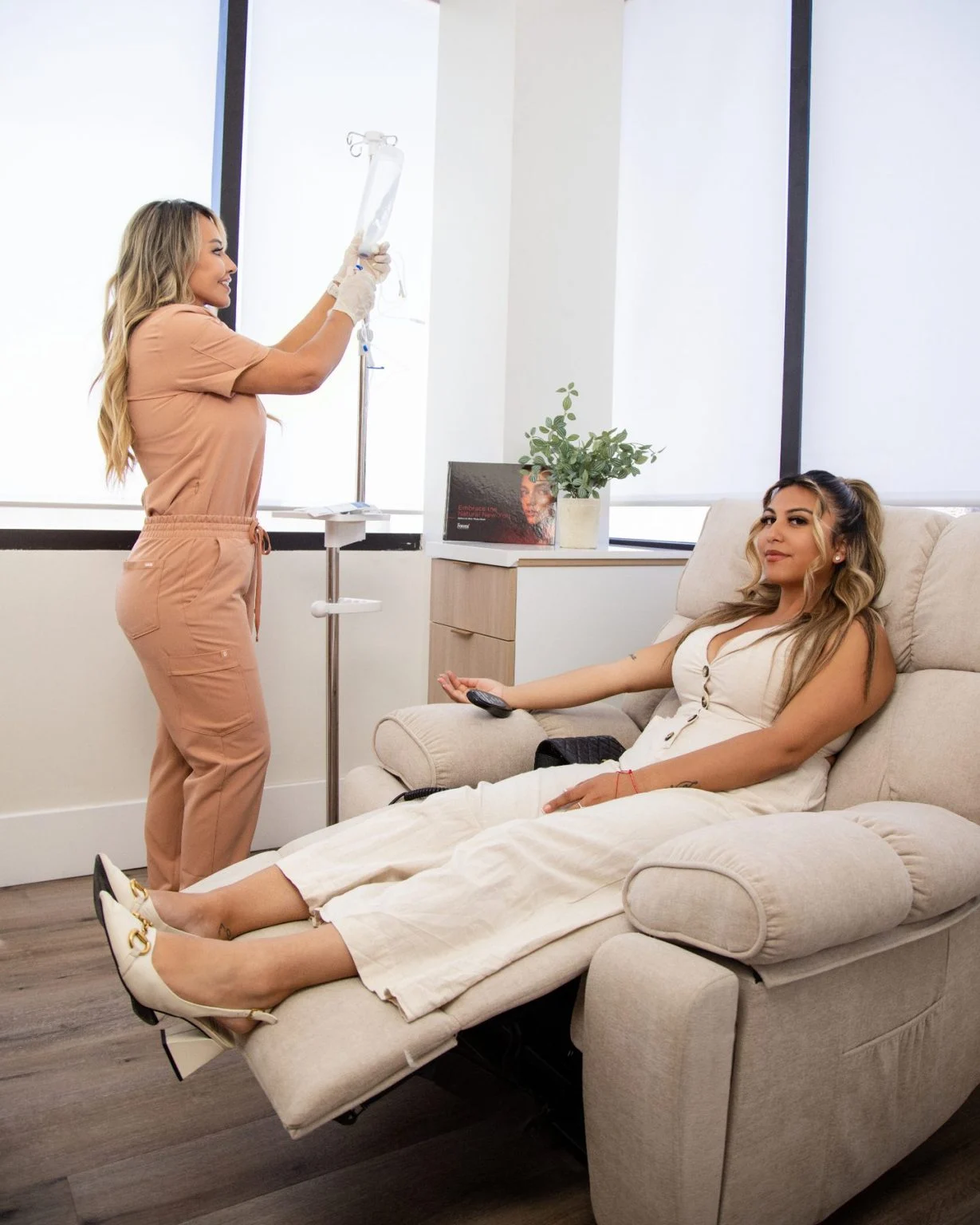
Time has become its own kind of luxury in aesthetic medicine. Not long ago, many effective skin treatments came with a trade-off that felt almost theatrical: days of redness, visible peeling, social downtime, and a carefully managed calendar. That model still suits some people, especially those willing to retreat for a week in exchange for a dramatic reset. But it does not suit the person who has client meetings on Thursday, a school event on Friday, and a flight on Monday morning.
That is where Fotona Laser Treatments tend to enter the conversation.
They appeal to people who want meaningful skin improvement without pressing pause on real life. The name comes up often in clinics because Fotona systems can be configured in different ways, from gentle collagen-stimulating sessions to more intensive resurfacing. The practical advantage is flexibility. A skilled provider can often tailor energy settings, treatment depth, and treatment sequence to match a patient’s schedule, tolerance, and goals rather than pushing everyone into the same https://kylerupth195.opalvector.com/posts/fotona-laser-treatments-for-preventive-anti-aging-care recovery timeline.
For busy professionals, parents, public-facing workers, and anyone who cannot vanish for a week, that flexibility matters as much as the laser itself.
Why minimal downtime has become a real treatment priority
Patients rarely ask for “downtime” in abstract terms. They ask more specific questions. Will I be swollen on Zoom tomorrow? Can I wear sunscreen and go to work? Will people assume I had something done? Can I exercise the next day? Those are the questions that shape treatment choice.
Minimal downtime does not mean no response at all. Even the gentler end of laser work can leave the skin flushed, warm, or a little puffy for a day or two. But there is a meaningful difference between looking like you had a brisk facial and looking like you need to stay home with cold compresses.
In practice, people who do best with lower-downtime laser plans are often trying to solve problems that build gradually: texture that no longer looks as smooth under makeup, early laxity around the jawline, fine lines under the eyes, enlarged pores, acne scars that catch the light, or redness that makes the skin look tired. They do not necessarily want to chase a dramatic one-time result. They want steady, visible improvement that fits inside a functioning life.
That framing is important because it helps set realistic expectations. A series of well-chosen Fotona Laser Treatments can often produce very satisfying change with less interruption. What they generally do not do, at least in their gentler forms, is deliver the same immediate intensity as the most aggressive fully ablative procedures.
What Fotona actually refers to in the treatment room
Fotona is a laser platform brand rather than a single one-note treatment. Different handpieces, wavelengths, and modes can be used for different concerns. The two wavelengths most commonly discussed are Er:YAG and Nd:YAG, and they behave differently in tissue.
Er:YAG is often chosen when the goal involves resurfacing, polishing texture, or targeting more superficial irregularities. Nd:YAG typically penetrates more deeply and is often used where heating deeper tissue is useful, such as collagen stimulation, tightening, vascular concerns, and certain acne-related protocols. What makes the system attractive is the ability to combine modes in a thoughtful sequence.
That is why you may hear branded treatment names attached to Fotona sessions. Clinics market combinations differently, but the underlying idea is usually the same: use one mode to stimulate deeper tissue, another to refine the skin surface, and adjust intensity according to tolerance and recovery goals.
For busy people, this matters because “Fotona” is not one fixed level of recovery. A lunchtime treatment and a more assertive resurfacing session can both come from the same family of technology, yet lead to very different evenings.
The sweet spot for people who cannot disappear after treatment
A lot of treatments sound low-downtime on paper. The issue is how they behave in normal life, under office lighting, in dry airplane cabins, under makeup, and during a rushed school drop-off. In that real-world setting, Fotona Laser Treatments often occupy a useful middle ground.
They are typically more substantial than a basic facial or light exfoliating treatment, yet they can be gentler in recovery than older, more aggressive resurfacing approaches when performed conservatively. That sweet spot is why many patients choose them.
I have seen the strongest satisfaction among people who think in terms of cumulative gains. They want skin that looks healthier at six weeks, firmer at three months, and smoother after a series. They are often less interested in one dramatic “before and after” day and more interested in hearing comments like, “You look rested,” or “Your skin looks really clear lately.”
That kind of change is not accidental. It comes from repeated collagen stimulation, carefully calibrated surface work, good skin preparation, and realistic spacing between sessions.
Common concerns Fotona Laser Treatments can address
The word “laser” makes some people think only of wrinkles, but the range is broader. Depending on the exact protocol, these treatments may be used to improve fine lines, skin texture, enlarged pores, acne scars, mild laxity, redness, and uneven tone. Some providers also use Fotona-based protocols around the eyes or mouth, where patients often want refinement without surgery.
Acne management is another area where the platform can be appealing. Certain settings can help reduce inflammation and target factors that contribute to breakouts, while other modes can support improvement in post-acne texture. Here again, expectations matter. Deep ice-pick scars and long-standing severe scarring often need a layered strategy, sometimes combining laser with subcision, peels, microneedling, or injectables. The best providers say that plainly.
Pigment is where caution and expertise become especially important. Some forms of discoloration respond nicely to laser work. Others, especially melasma, can flare if the treatment is too aggressive or the heat profile is not a good fit. Busy patients are often drawn to “one and done” promises, but pigment conditions do not reward impatience. Conservative planning usually wins.
What a low-downtime session often feels like
A busy person usually wants details, not marketing. So let’s talk practicalities.
A gentler Fotona appointment often starts with cleansing, photography, and protective eyewear. Some treatments require topical numbing, while others are tolerable without much preparation. During the session, patients commonly describe bursts of heat, a snapping sensation, or a warm prickling feeling that comes and goes as the handpiece moves across the skin.
The duration varies by area and protocol, but facial sessions often fit within roughly 30 to 60 minutes. Add consultation time, consent, photos, and post-treatment instructions, and most people should plan for a bit more than an hour at the clinic.
Immediately after, the skin may look flushed, feel warm, and sometimes show mild swelling, especially around the eyes. In lighter sessions, that reaction can calm substantially within hours to a day. In stronger resurfacing protocols, redness can last longer and the skin may feel dry or rough for several days as microscopic injury resolves.
One small but important point: downtime is not just what happens in the mirror. It is also what happens in behavior. If a treatment technically lets you return to work the next day but forces you to skip retinoids, workouts, hot yoga, direct sun, and active skin care for several days, that still counts as recovery. It may be manageable, but it needs to be part of the planning.
How it compares with other popular options
People often cross-shop Fotona against microneedling, radiofrequency microneedling, IPL, chemical peels, and more traditional ablative lasers. The right choice depends less on trends and more on the exact problem you are trying to solve.
Microneedling can be excellent for texture, pores, and mild scarring, often with modest downtime. Radiofrequency microneedling adds deeper thermal injury and can be useful for laxity and acne scars, though recovery can still be noticeable. IPL is often chosen for redness and superficial pigment but is not the same thing as resurfacing. More aggressive ablative lasers can produce dramatic improvements in wrinkling and texture, but usually demand more healing time.
Fotona Laser Treatments stand out because they can bridge categories. A provider can use them in a lighter, maintenance-oriented way or dial up intensity when someone has more room in their calendar. That does not mean they replace every other modality. It means they are versatile.
Versatility matters most when the patient has a real life constraint. I have had people say, quite plainly, “I can handle being pink for two days, but I cannot explain crusting to my team on Monday.” Treatment planning should be that honest.
Good candidates usually think this way
The best candidates are not simply people with busy calendars. They are people with busy calendars and balanced expectations. They understand that less downtime often means a series rather than a single knockout session. They are willing to protect their skin from sun exposure, follow aftercare, and show up consistently.
They also understand that “minimal” is personal. A person who works remotely may consider one day of visible redness trivial. A trial attorney, wedding photographer, or TV presenter may not.
A sensible screening conversation often looks at these factors:
- your main concern, such as texture, redness, laxity, scars, or breakouts
- how many days of visible recovery you can realistically tolerate
- your skin tone, pigment history, and any tendency toward post-inflammatory hyperpigmentation
- your current skin care, especially retinoids, acids, and photosensitizing medications
- the date of any major event, travel, or prolonged sun exposure
That kind of planning sounds basic, but it prevents many disappointments.
The timeline busy people should actually expect
Marketing language often compresses time. Biology does not. Some effects are quick, such as an early feeling of tightness, smoother makeup application, or a fresher surface glow. But collagen remodeling is gradual. The deeper structural improvements from heat-based treatments often unfold over several weeks to months.
This matters because busy people tend to think in deadlines. They book around holidays, weddings, presentations, or reunions. A low-downtime Fotona session three days before a major event may be fine if the settings are gentle and the provider knows your skin. A stronger session in that same window could be a bad idea.
As a rule of thumb, maintenance-style treatments are often easier to place close to normal life, while more assertive resurfacing deserves a wider buffer. If someone has an important event, I generally like the treatment plan to leave margin for the unexpected. Skin can react beautifully, but it can also stay pink longer than average, especially if you are sensitive, dehydrated, stressed, or using active products too soon afterward.
The people happiest with their results usually start earlier than they think they need to. They give themselves time for a series, reassessment, and one adjustment session if needed.
Recovery is short only if aftercare is taken seriously
This is the part busy people tend to underestimate. A good laser can be let down by careless aftercare. The goal in the first few days is simple: reduce unnecessary irritation, support barrier recovery, and protect the skin from UV exposure and heat.
You do not need a complicated routine. You need discipline. Gentle cleansing, a bland moisturizer, and diligent sunscreen are more useful than an enthusiastic pile of serums. If your skin feels hot, keep exercise, saunas, and long hot showers on hold until the treated area settles. Makeup timing depends on the exact treatment and how the skin looks, so it should be cleared with the provider rather than guessed.
The fastest recoveries usually belong to patients who resist the temptation to “help” their skin with exfoliants. Freshly treated skin does not need help. It needs calm.
What can go wrong when treatment is rushed
Low downtime can become a misleading promise when people push past common sense. Trouble usually starts in predictable ways. The settings are too aggressive for the calendar. The patient has an event too soon. Sun exposure is underestimated. Active acne, rosacea, melasma, or a history of hyperpigmentation is not factored in carefully enough. Or the treatment is performed by someone who treats the device like a fixed recipe instead of an adjustable tool.
Even when complications are not severe, frustration can follow. A patient expected to be camera-ready in 24 hours and is still puffy at 48. Someone thought one session would erase years of textural change. Another person sees early brightness and assumes collagen tightening has already peaked, when it has barely started.
These are not failures of the technology alone. They are failures of matching treatment to person, timing, and expectation.
The economic side, because time and money are linked
Busy people often think they are choosing between “expensive and fast” versus “cheaper and slower.” In aesthetics, it is rarely that clean. A treatment with minimal downtime can still be cost-effective if it allows you to avoid taking time away from work, child care, or public-facing commitments. On the other hand, a treatment that looks affordable per session can become costly if you need many sessions to chase a result better addressed by a stronger plan.
That is why treatment selection should consider total pathway cost, not sticker price alone. Ask how many sessions are typically recommended for your concern, how often maintenance is needed, and whether complementary treatments are likely. A straightforward provider will explain the likely arc, not just the first appointment.
When Fotona may be the wrong fit
Versatility should not be confused with universality. Some patients are better served by other options.
If the issue is advanced laxity, surgery may simply be more appropriate. If the primary concern is heavy pigment instability, especially stubborn melasma, a conservative non-laser approach may be wiser. If someone wants a dramatic single-session transformation and has a full week or more for healing, a different resurfacing modality could make more sense. If there is active infection, significant irritation, or recent sunburn, treatment should wait.
There are also patients who say they want minimal downtime but become very distressed by even temporary redness. That emotional tolerance matters. The mirror experience is part of the treatment experience.
Questions worth asking before you book
A consultation should leave you with a clear sense of not just what the treatment can do, but how it fits your week. If the answers are vague, keep asking. Useful questions include the likely appearance at 24, 48, and 72 hours, whether makeup is permitted, what activities to avoid, how many sessions are recommended, and what the plan is if you have a history of pigment issues or cold sores.
You should also ask who will perform the treatment, how often they use that exact protocol, and whether photos shown represent results from a series or from one session. That last point matters more than many people realize.
A practical way to schedule around real life
For anyone considering Fotona Laser Treatments on a crowded calendar, a simple scheduling strategy helps more than people expect.
- book your first session when you have no major event for at least one to two weeks
- avoid treatment right before travel with heavy sun exposure
- do not schedule the first session immediately before a high-visibility work commitment
- follow the pre- and post-care instructions exactly, especially around active skin products
- reassess after the first treatment before committing to the next intensity level
That cautious first step often prevents the common cycle of overtreating, regretting it, and then becoming reluctant to continue.
The appeal is not magic, it is adaptability
The strongest case for Fotona is not that it is universally superior. It is that it can be adapted intelligently. For the right patient, with the right settings and expectations, it offers a credible path to fresher, smoother, firmer-looking skin without the kind of recovery that derails a workweek.
Busy people do not need miracles from their treatments. They need reliability. They need to know whether they can speak in a meeting tomorrow, whether they can wear sunscreen without stinging, whether they can attend dinner without feeling conspicuous, and whether the result will justify the time spent.
When those questions are answered honestly, Fotona Laser Treatments often earn their place. Not because they eliminate every sign of recovery, and not because they replace every other modality, but because they meet a common modern need: steady improvement that respects the fact that most people cannot put life on hold for better skin.
OMNIA Wellness Center
Address: 16430 Ventura Blvd Ste 207, Encino, CA 91436
Phone number: +18183868511
FAQ About Fotona Laser Treatments
What is a Fotona laser good for?
A Fotona Laser system is a versatile, dual-wavelength medical laser used primarily for non-surgical skin tightening, anti-aging rejuvenation, and dermatological treatments.
How much does the Fotona laser cost?
The cost of a Fotona laser depends heavily on whether you are looking to purchase a laser machine for a medical practice or are a patient seeking a laser treatment at a medspa.
Is a Fotona laser worth it?
A Fotona laser treatment is generally worth it if you want non-surgical skin tightening, improved texture, and collagen stimulation with very little downtime.